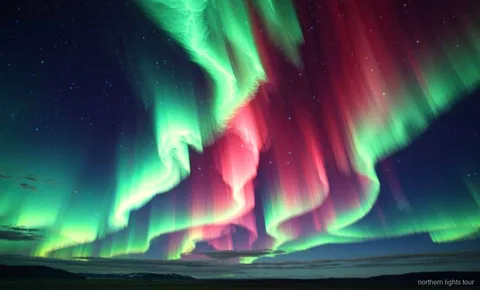
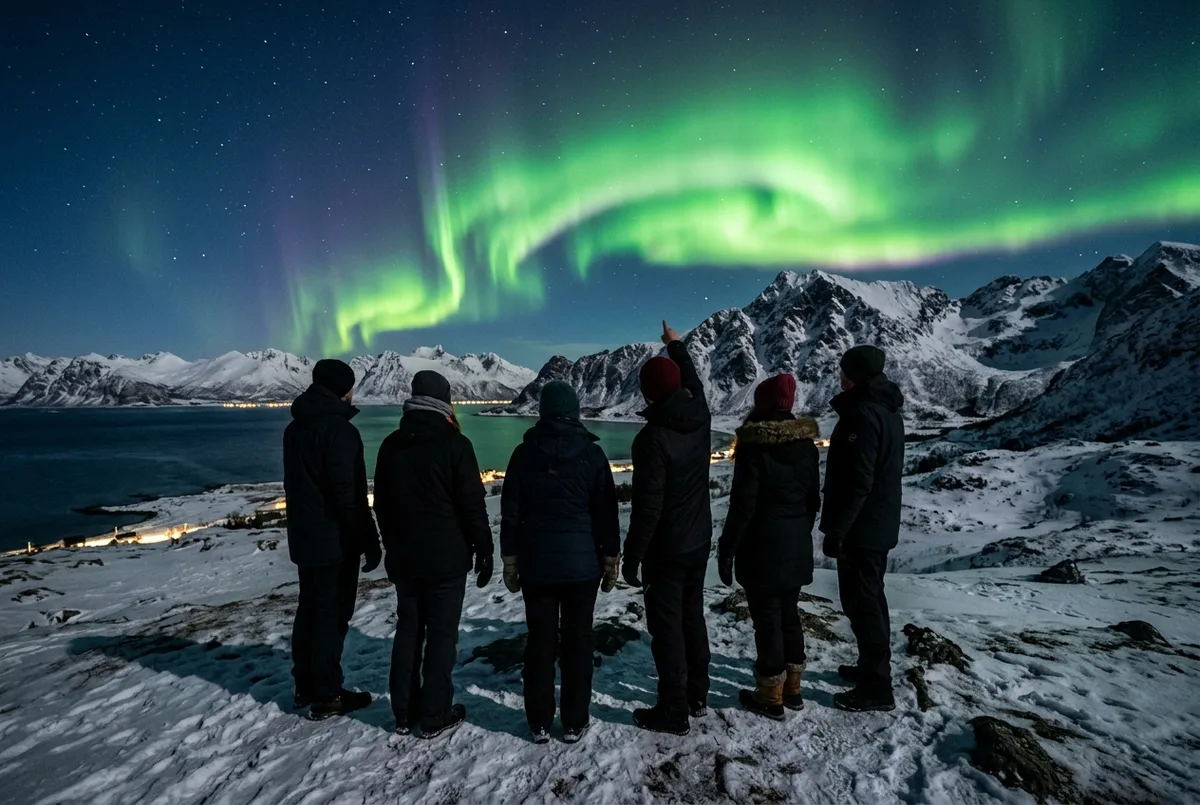
A northern lights tour is the fastest, most reliable way to actually see the aurora borealis, since a guide who tracks live cloud and solar data can drive you to clear sky faster than you’d manage alone with a rental car and a weather app. I’ve compared ten real tours across Norway, Alaska, Iceland and Lapland below, covering everything from a €65 budget bus out of Reykjavik to a full-day Arctic Circle crossing in Alaska, so you can see what each one actually includes before you commit an evening (or a full day) of your trip to chasing lights that no operator can fully guarantee.
If you’re still deciding where to go, I’d start with how many nights you actually have free and how much of a gamble you’re willing to take on the weather. A single free evening favors a destination with strong, consistent odds, like Norway’s Tromso or Alaska’s Fairbanks. A longer, more flexible trip opens up Iceland’s easy add-on tours or Lapland’s guaranteed-refund format. None of that matters as much as picking a genuinely active hunting tour over a fixed scenic drive, since the operators below who track live forecasts and actually change route based on the sky consistently outperform anyone following a set path.
How Much Does a Northern Lights Tour Cost?
Pricing across this comparison spans a wide range, and the differences aren’t random. At the budget end, the Reykjavik Northern Lights Bus Tour starts around €65 per person and the Tromso Northern Lights Safari around €69, both running larger vehicles with bigger groups to keep the price down. Step up to €86 to €175 and you get smaller minibuses, working reindeer camps and lodge-based viewing with more personal service. Fairbanks’ combo tours and Alaska’s full Arctic Circle expedition sit at the top of the per-person range, from €138 to €313, largely because they bundle in extras like the Aurora Ice Museum, a hot springs soak or a genuine day-long journey rather than a single evening’s hunt. Iceland’s private 4x4 tour is the outlier at €990, but that’s priced per group, not per person, so it can actually work out cheaper than a shared minibus once you’re traveling with three or four people.
If you’re on a tight budget, I’d book the Reykjavik bus tour or the Tromso Safari before anything pricier, since both include professional guiding and photography at roughly half the cost of the premium options, and the Reykjavik tour throws in a free retry if the sky doesn’t cooperate. Save the higher-priced combo and expedition tours for a trip where the daytime extras (a hot springs soak, an Arctic Circle crossing, a private vehicle) matter to you as much as the aurora itself.
Which Destination Should You Choose: Norway, Alaska, Iceland or Lapland?
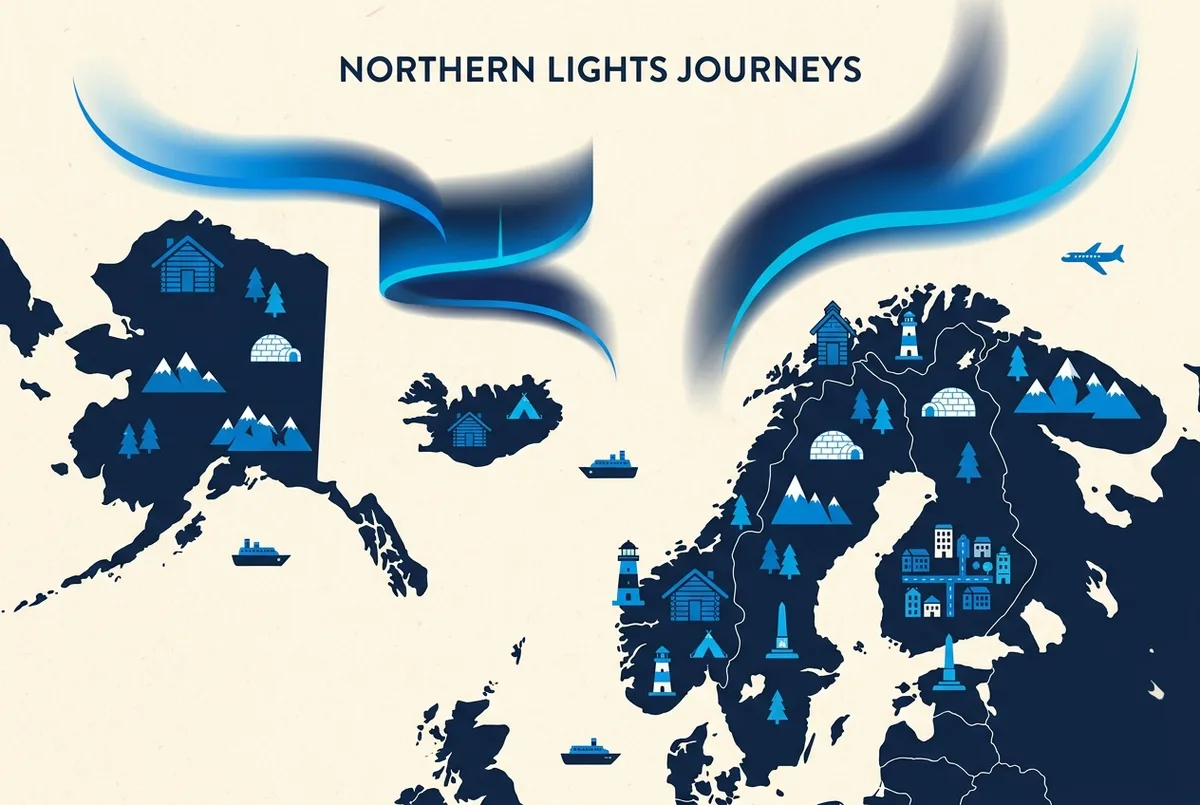
All four sit inside or near the auroral oval, the ring around the magnetic pole where displays are most frequent, but they differ in scenery, travel time and how the tours themselves are built. Norway’s Tromso gives you fjords and mountains and some of the most flexible chase-format tours in this comparison. Alaska’s Fairbanks has interior cold, dry air and low humidity, conditions that produce some genuinely clear, high-contrast nights, but it’s also the longest flight for most travelers. Iceland is the easiest short add-on trip from Europe or North America, with a dense network of budget-friendly bus tours out of Reykjavik. Finnish Lapland, based around Rovaniemi, is flatter and quieter, and its featured tour backs up the hunt with an actual money-back guarantee.
Of the four, I’d rank Norway and Alaska slightly ahead on raw sighting odds, since both sit further under the auroral oval with long, reliably dark winters. That said, the “best” destination genuinely depends on what else you want from the trip: Iceland if you want an easy short break, Lapland if a refund guarantee matters more to you than maximum odds, Norway for dramatic fjord scenery, and Alaska if you also want a bucket-list Arctic Circle crossing on the same trip. For a full country-by-country breakdown of sighting odds, cost and travel time, see how the top aurora countries actually compare.
What Do Norway’s Tromso Tours Look Like?
Tromso runs two very different evening hunts and one daytime cultural trip. The Tromso Northern Lights Chase Tour uses a small minibus capped at 15 guests and an unlimited driving range, sometimes crossing all the way toward the Finnish border on cloudy coastal nights, plus professional photos and a bonfire cookout included. The Tromso Northern Lights Safari runs a larger heated bus with an onboard toilet at roughly half the chase tour’s price, a genuinely useful trade-off if you’re traveling with kids or just want to save money. Separately, the Tromso Sami Reindeer Sledding Tour is a daytime trip to a working reindeer camp, not an aurora hunt at all, and pairs naturally with either evening tour on a different day of your stay.
Of the two aurora options, I’d pick the Chase Tour over the Safari if you only have one night in Tromso and want the strongest realistic shot, since the unlimited range is a genuine structural advantage over a fixed route. If you’re traveling with young children, on a tight schedule the next morning, or just want a lower-cost first attempt, I’d steer toward the Safari instead. Either way, book the reindeer tour for daylight hours only, since it will not show you the lights on its own. For the full Norway picture, including timing and getting around the region, see the Norway northern lights tour guide.
What Do Alaska’s Fairbanks Tours Include?
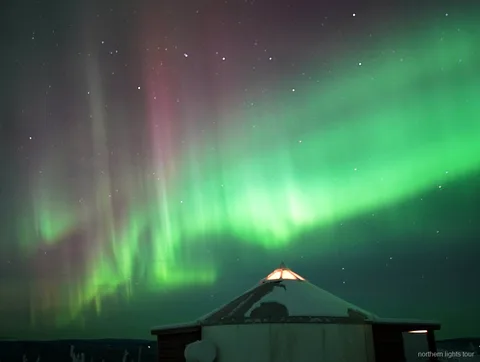
Fairbanks offers three distinct formats. The Fairbanks Aurora Lodge Tour settles you into a purpose-chosen lodge with large north-facing windows, so you wait in warmth and step outside only when the display picks up, a relaxed option that suits older travelers or families better than a long night drive. The Fairbanks Northern Lights and Chena Hot Springs Tour bundles a guided Aurora Ice Museum tour and an outdoor mineral hot springs soak into the same evening, so the night still feels worthwhile even if the sky stays quiet. The full Fairbanks Northern Lights Tour is a genuine full-day Arctic Circle expedition on the Dalton Highway, with the aurora watch built into the drive home after dark rather than being the whole point of the day.
I’d choose the Aurora Lodge Tour if watching the sky is your only real goal, since it gets you more comfortable hours under genuinely dark sky for less money and a shorter night than the other two options. I would only book the full Arctic Circle tour if crossing that line and seeing the Trans-Alaska Pipeline matters to you as much as the aurora itself, since it’s a much longer, more expensive day built around a different kind of bucket-list moment. More on the region’s dark-season timing and how to get there is in the Fairbanks and interior Alaska aurora guide.
What Makes Iceland’s Reykjavik Tours Different?
Iceland’s two featured minibus and coach tours share the same forecast-led approach: rather than driving a fixed loop, the guide follows that night’s meteorologist forecast toward whichever direction looks clearest. The Reykjavik Northern Lights Bus Tour is the cheaper, larger-group version at around €65, and includes a genuinely useful free retry on another departure if you don’t see anything. The Reykjavik Premium Northern Lights Tour costs roughly €20 more for a smaller minibus and an even more generous three-year retry window. For groups of three or more, the Iceland Private Northern Lights Tour swaps a shared vehicle for a private 4x4 with a dedicated photographer and a BBQ dinner, priced per group rather than per person.
For a first attempt on a normal budget, I’d take the standard bus tour and lean on the free retry rather than pay extra for the smaller premium minibus, since the core aurora-hunting method is identical between them. I would only book the private 4x4 tour if traveling with friends or family willing to split the group price, since that’s what actually makes it competitive against a shared minibus. See the full Iceland northern lights tour guide for how these fit into a broader Reykjavik itinerary.
What About Lapland’s Rovaniemi Tour?
Finnish Lapland’s featured option, the Rovaniemi Northern Lights Guaranteed Tour, takes a different approach entirely: guides drive up to 200km from Rovaniemi if that’s what it takes to reach clear sky, and deliberately avoid crowded, well-known viewpoints in favor of quieter locations chosen fresh each night. The headline feature is its 100% money-back guarantee, but it’s tied to something specific and checkable: whether the guide, also a trained photographer, actually captures the aurora on camera during your tour, rather than a vague promise you’d have to argue over afterward.
I would trust that kind of guarantee more than a softer “best effort” claim from other operators, precisely because the trigger is objective. The tradeoff is time: a genuine 200km search radius can mean a long night in a moving vehicle, so it isn’t the right pick if you’d rather stay close to town and accept lower odds for a shorter evening. Lapland’s tour lineup is intentionally lean since the region carries less measured search demand than Norway, Alaska or Iceland, but the guarantee alone makes it worth a look. See the Finnish Lapland aurora guide for how Rovaniemi’s Arctic Circle location compares, and how the top aurora countries stack up if you’re still deciding between destinations.
When Is the Best Time to See the Northern Lights?
The aurora season runs roughly late September through early April across all four destinations, driven by how much genuine darkness each location gets rather than the aurora itself changing. Inside that window, the deepest winter months, December and January, give the longest dark hours and, in northern Norway and Finnish Lapland, stretches close to round-the-clock darkness during the polar night. Clear, cold, moonless nights are the real prize: a bright moon or heavy cloud cover can wash out even a strong display.
If your travel dates are flexible, I’d aim for a trip in the darkest weeks around the winter solstice and check the extended weather forecast for your destination a few days before deciding which night to book your tour. Solar activity also runs in an 11-year cycle, and the current stretch of high activity means more frequent and stronger displays than a typical year, which is one more reason not to delay a trip you’ve been planning. NOAA’s 30-minute aurora forecast is a genuinely useful free tool for checking real-time activity once you’re on the ground. For a full month-by-month breakdown, see when to actually book your aurora trip.
How Do Guarantees and Cancellation Policies Actually Work?
Not every tour in this comparison offers the same safety net. Rovaniemi’s guaranteed tour refunds you outright if the guide doesn’t photograph the aurora. Both Reykjavik tours include a free repeat trip, valid for three years on the premium option. Tromso’s two evening tours and Fairbanks’ three options don’t advertise the same guarantee structure in their listings, which doesn’t make them worse tours, just a different risk profile.
When a guarantee is on offer, I would always read exactly what triggers it before booking rather than assume it matches another operator’s terms. A “free retry” only helps if you have another free evening left in your trip to use it, and a “money-back” guarantee only pays out if the stated condition (a photographed sighting, in Rovaniemi’s case) genuinely isn’t met. None of this replaces basic trip planning: booking a tour on your first or second night, rather than your last, gives you the buffer to actually use a retry if the sky doesn’t cooperate.
What Should You Wear on a Northern Lights Tour?
Arctic winter nights regularly sit below freezing, sometimes well below, and you’ll be standing still outside for stretches of an hour or more, which is far colder than walking around a city center in the same temperature. Dress in proper base layers (synthetic or wool, not cotton), a warm mid layer, and a windproof, insulated outer shell, then add wool socks, insulated waterproof boots, a hat that covers your ears, and real winter gloves, not fashion ones.
Several of the tours above provide thermal suits, Arctic overalls or blankets on top of your own clothing, and I would still rent one if it’s offered rather than rely on ordinary travel layers for a multi-hour wait outside. Cold hands and feet ruin a night faster than a cold face does, so prioritize good boots and gloves over an extra jacket if you have to choose. The full northern lights packing list covers exact layering advice by temperature range.
Is a Northern Lights Tour Worth It?
Having weighed the actual prices, formats and stated guarantees across these ten tours, I think a guided northern lights tour is worth booking for most first-time visitors. A guide who reads live cloud radar and solar activity data will consistently get you to clear sky faster than a rental car and a phone app, several operators back that up with a genuine retry or refund policy, and the professional photos most tours include solve the real problem of photographing a faint, moving light source in the dark on your own gear.
Where I’d hesitate is a single free evening paired with an early flight the next morning, since the longer chase-format tours can run well past midnight and there’s no way to guarantee a sighting on any one night regardless of price. In that specific case, I’d rather book the shortest, most comfortable option available (a lodge tour in Fairbanks, for instance) and accept lower odds than gamble a rough, sleep-deprived travel day on an open-ended chase. For the full case for and against, including realistic sighting odds by trip length, see is a northern lights tour actually worth it.
Guided Tour or Self-Drive: Which Should You Choose?
Renting a car and hunting the aurora yourself is a real option in Norway, Iceland and parts of Alaska, and it can save money if you’re staying a week or more and don’t mind reading your own weather and cloud cover data each night. It also means driving unfamiliar winter roads in the dark, sometimes on ice, without local knowledge of which backroads actually clear up first.
For a first attempt, or a trip of just a few nights, I’d book a guide over a self-drive every time. The operators in this comparison track live satellite and forecast data as their full-time job and know local roads well enough to reposition quickly if the first spot clouds over, an edge that’s hard to replicate as a visitor checking a weather app for the first time. Self-driving starts to make more sense on a longer trip where you have the spare nights to fail a few times and try again on your own schedule. The full breakdown of costs and risks either way is in guided tour versus self-drive.
Who Should Book Which Northern Lights Tour?
If I had to match traveler types to tours, budget travelers with one shot at the lights should look first at the Reykjavik Northern Lights Bus Tour or the Tromso Northern Lights Safari, both under €70 and both including professional photography. Families with young kids or older relatives are better served by the Fairbanks Aurora Lodge Tour or a fixed-lodge format generally, since it avoids the long, cold night drive that a chase tour demands. Photographers and anyone chasing the single best realistic odds on a short trip should book the Tromso Northern Lights Chase Tour, since its unlimited range is the strongest structural advantage in this whole comparison. Groups of three or more travelling together get real value from the Iceland Private Northern Lights Tour once the group price is split. And anyone who wants a checkable, no-argument guarantee should book the Rovaniemi Northern Lights Guaranteed Tour.
If I had to pick just one tour from this entire list for a typical first-time visitor with two or three nights free, I’d book the Tromso Northern Lights Chase Tour first and hold a shorter, cheaper backup option like the Safari or a lodge tour in reserve for a second attempt. The full underlying science of why some nights and locations produce stronger displays than others is well documented on Wikipedia’s aurora overview, and Norway’s official tourism board at visitnorway.com has useful seasonal detail if Tromso ends up being your pick.
Ready to Chase the Northern Lights?
Compare all 10 tours above, from the budget Reykjavik bus to Tromso's unlimited-range chase, then pick the one that matches your budget, your group size and how much of a gamble you're willing to take on the sky.
Aim for late September through early April, when nights are long and dark enough across Norway, Alaska, Iceland and Lapland. Within that window, the hours between 10pm and 2am local time see the most activity, and clear, moonless nights around the new moon give the best contrast.
How much does a northern lights tour cost?
Prices in this comparison run from €65 for a budget Reykjavik bus tour to €313 for a full-day Fairbanks expedition, with most guided evening hunts landing between €90 and €180 per person. A private 4x4 tour in Iceland runs higher, priced per group rather than per person.
Which destination has the best chance of seeing the northern lights?
Norway's Tromso and Alaska's Fairbanks both sit under the auroral oval and get long, reliably dark winters, which is why I'd rank them above Iceland and Lapland for raw odds. Iceland and Lapland still see frequent displays, just with slightly more cloud interference near the coast.
Is a northern lights tour worth it?
For most first-time visitors, yes. A guide who reads live cloud and forecast data gets you to clear sky far faster than driving yourself, and several operators throw in a free retry or refund if the lights don't show. It's a weaker case if you only have one evening and an early flight out.
What happens if I don't see the northern lights on my tour?
It depends on the operator. Rovaniemi's guaranteed tour refunds you fully if the guide doesn't photograph the aurora, and both Reykjavik tours include a free repeat trip. Tromso's chase and safari tours don't advertise a guarantee, so confirm the live cancellation terms before booking.
What should I wear on a northern lights tour?
Layer up: thermal base layers, a mid layer, a windproof winter coat, insulated boots, wool socks, a hat and real gloves. Many tours rent thermal suits or Arctic overalls on top of that, but your own base layers still matter most on a multi-hour night outside.
Can I photograph the northern lights with just my phone?
Yes, if your phone has a night mode, which most recent models do. Set it on something stable, a small tripod or even a rolled-up jacket on a car roof, and let the exposure run a few seconds. Several tours also include a professional photographer's shots as a backup.
Are northern lights tours suitable for kids?
Some are and some aren't. A fixed lodge with indoor viewing or a shorter daytime combo suits young children far better than an open-ended 6 to 8 hour minibus chase that can run past midnight. Check the tour's format and duration against your kids' bedtime before booking.
Should I book a guided tour or rent a car and self-drive?
I'd book a guide for a first attempt. They track live satellite and cloud data and know the local backroads, which usually beats a rental car and a weather app. Self-driving only makes sense if you're staying a week or more and want the flexibility to try on your own terms.